


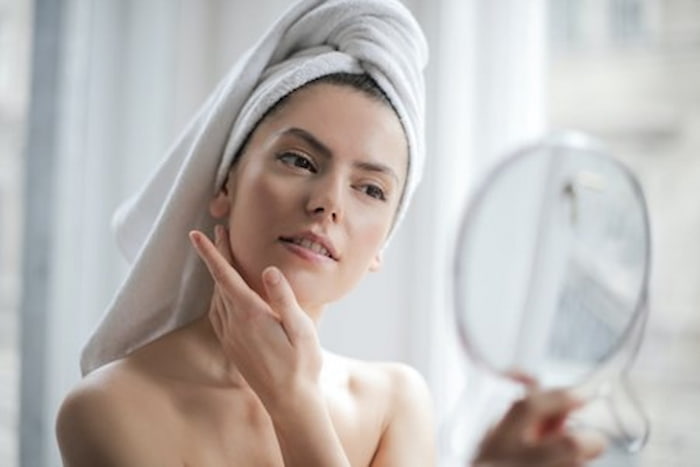
Our skin is the largest organ of our body – bet you already knew that. However, it is also the first line of defense against toxins and UV radiation. These reasons are quite enough to convince you that your skin should be cared for like all other organs.
As we age, our skin ages too. While some factors are beyond our control, there are many others that you can control for healthier, youthful, and glowing skin. Our environment and lifestyle choices are some of the factors that can cause our skin to age prematurely. Sunshine has a high volume of ultraviolet radiation that can cause skin damage and premature aging.
In cities like Miami, where it is sunny all year round, premature skin aging can cause wrinkles, fine lines, and thinner and dryer skin. Hence, when staying in places like Miami, you must be more careful about protecting your skin from premature aging.
In this blog, we will share seven tips that will help you prevent and combat skin aging.
So, let’s get started!
1- Focus On A Healthy Diet:
A nutritious diet ensures you get all the vitamins and minerals your body needs. It helps you look radiant and healthy. There is a lot of research on the relationship between a healthy diet and skin aging. Nutrition has a direct relation to skin health. It is essential for all biological processes of the skin.
Healthy eating habits can cure and induce skin damage and aging. Even in cities like Miami, also known as the Plastic Surgery Capital of the USA, many cosmetic or weight-reduction procedures are accompanied by a healthy diet. For instance, the HCG Weight Loss program includes injecting the HCG hormone and recommending a low-calorie diet for optimum results. You can look up HCG injections near me online to select the best facility for the procedure. Healthily reducing weight can significantly take years off your physical appearance.
Moreover, consuming fruits and vegetables ensures that your skin can combat signs of aging. They are powerhouses filled with antioxidants that keep wrinkles, fine lines, dark spots, and the like at bay, ensuring you look healthy and youthful. A healthy intake of proteins also helps meet the body’s nutritional requirements and keeps the skin flexible and radiant.
On the other hand, it is advised that you avoid alcohol, sugars, and high intake of refined carbohydrates. They can lead to glycation and the breakdown of collagen and elastic fibers in the skin. This makes your skin look older and stiff.
2- Exercise Regularly:
Regular exercise has the potential to improve skin health. According to research, moderate exercise can increase circulation and strengthen the immune system. These effects may combine to make the skin appear more youthful.
Exercise can boost the skin’s natural vitality by enhancing blood flow and boosting immunity. While exercise cannot reverse the aging process, its advantages to circulation and immunity underline its potential role in producing younger-looking skin.
3- Avoid Smoking:
Smoking accelerates skin aging significantly, resulting in wrinkles and a lackluster, sallow complexion. Skin exposed to tobacco smoke appears ashy and depleted, exhibiting various harmful effects. The risk of premature wrinkling increases with the intensity of smoking. This phenomenon is linked to the heightened production of a collagen-degradation enzyme due to smoking, leading to sagging skin.
Collagen, a pivotal structural protein, bestows elasticity upon the skin. As smoking increases collagen breakdown, the skin loses its firmness, ultimately causing wrinkles. This underlines the profound impact of smoking on skin health, offering a compelling reason to consider quitting to preserve the skin’s youthful vibrance and overall well-being.
4- Protect Yourself From the Sun:
Sun protection is vital for avoiding UV radiation. Sunburn and skin peeling can result from prolonged sun exposure without protection. It also damages the collagen and elastic fibers in our skin, giving it a saggy and wrinkled appearance. It also promotes the synthesis of melanin, which creates age spots.
To protect yourself from UV radiation, seek shade when you’re out and about, and wear sun-protective clothes. When outside, try to cover as much of your skin as possible. Wear wide-brimmed hats to shield your face and neck, limit sun exposure, and slow skin aging. Lacy and thin textiles should be avoided. Instead of light and pastel-colored shirts, use dense clothes in dark and bold colors.
5- Stay Hydrated:
Ensuring optimal fluid intake is pivotal in maintaining your skin’s firmness and elasticity. Amidst the assortment of guidelines, a general recommendation hovers around half a gallon or two liters of fluids daily, translating to approximately eight glasses of water daily. It’s a simple equation that yields impactful results. However, it’s essential to avoid alcoholic beverages and note that they cause dehydration and dryness.
Adopt a moderate approach when indulging, and complement your alcoholic beverages with ample water intake. This practice balances your body’s hydration levels and reflects positively on your skin.
6- Wash Your Face Properly:
A consistent face-cleansing routine is crucial. Wash your face twice a day, particularly after exercising. Perspiration, especially when wearing hats or helmets, can irritate the skin. As a result, you must cleanse your skin as soon as possible after sweating. This activity balances the skin and prevents inflammation. Sweat and impurities are removed from your skin, allowing it to breathe and repair itself.
7- Sleep Well:
The effects of fatigue extend beyond stress, manifesting in your skin as dullness and sagging. This intensifies the visibility of fine lines and wrinkles, contributing to an aged appearance. To nurture skin that exudes youthful vibrance, allocate ample time for restful sleep during the night.
Aiming for a minimum of seven to eight hours of uninterrupted sleep proves optimal for yielding the best outcomes.
Bottom Line
Your skin is one of the most essential organs of your body. It requires consistent care. You can easily combat premature aging by consuming a healthy diet, staying hydrated, sleeping well, avoiding smoking, exercising regularly, and taking care of your hygiene. By implementing these tips, you can preserve your skin’s youthfulness for years to come before you can finally embrace the inevitable wrinkles and fine lines.
Read Also
- Top Trends Shaping the Future of Mental Health Care
 Mental health care is moving fast to meet daily human needs. People want direct care that fits modern life. Clinics respond by creating flexible options that make healing easier to reach. Providers look past rigid habits to give people solid care. From smart tools to body wellness, these changes help people find relief when life… Read more: Top Trends Shaping the Future of Mental Health Care
 - Full-Arch Dental Tourism: Why UK Patients With Severe Bone Loss Are Looking AbroadDental implants have become one of the fastest-growing segments of private dentistry. Within that market, one patient group behaves very differently from the rest: people who have been told they do not have enough upper jawbone for conventional implants. For these patients, the choice is rarely between one clinic and another. It is between a… Read more: Full-Arch Dental Tourism: Why UK Patients With Severe Bone Loss Are Looking Abroad
- Levels of Mental Health Care and When to Seek SupportMental health care can range from occasional outpatient appointments to 24-hour hospital treatment. The appropriate level depends on safety, symptom severity, daily functioning, medical needs, available support, treatment history and personal preferences. A licensed clinician should assess these factors rather than relying on a symptom list alone. Need help now? In the United States, call… Read more: Levels of Mental Health Care and When to Seek Support
- How to Choose a Shilajit Brand Based on the ResearchIn a randomized trial published in the Journal of the International Society of Sports Nutrition in 2019, 63 active men took 250 mg of standardized shilajit, 500 mg, or a placebo every day for eight weeks, and the benefit for strength retention after a fatiguing workout appeared only at 500 mg. For anyone choosing a… Read more: How to Choose a Shilajit Brand Based on the Research
- How to Incorporate Relaxation into Your Busy ScheduleFinding balance when you have a packed daily agenda often feels out of reach. Between work duties, family obligations, and personal projects, personal rest usually gets pushed to the bottom of the list. Small, intentional shifts in daily habits can help restore calm without requiring hours of extra free time. Continue reading to discover everything… Read more: How to Incorporate Relaxation into Your Busy Schedule





